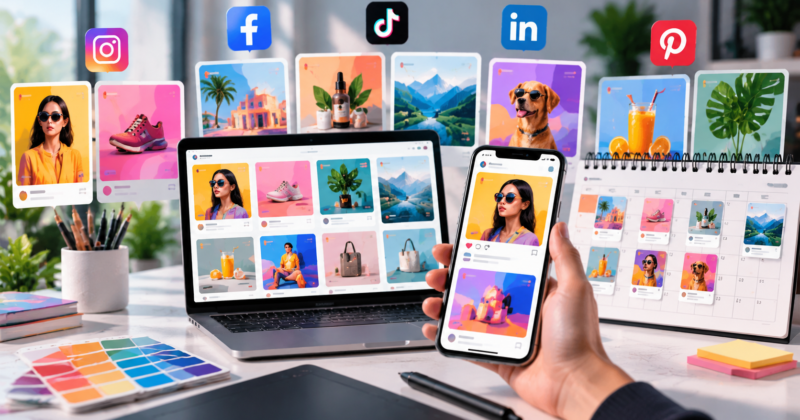
The DesignSlave Manifesto: High-Octane Output for Low-Budget Founders
Why I charge $500/month for unlimited design, why that price makes other designers uncomfortable, and why it's the best deal a bootstrapped founder can get.
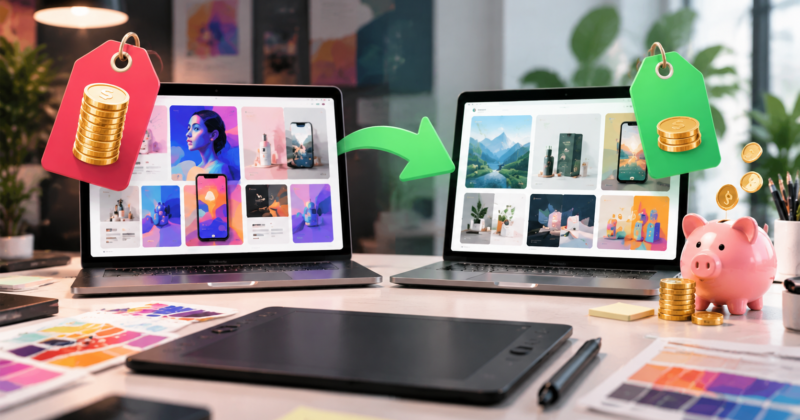
DesignSlave charges $500/month for unlimited design because it removes everything that makes design expensive: account managers, proposals, meetings and project quotes. One senior designer, a small client list and a queue-based workflow keep quality high and overhead near zero.
Every few weeks, another designer slides into my inbox with some version of the same message:
“Bro. $500 a month? You’re ruining it for everyone.”
I get it. In an industry where a logo can cost $15,000 and a website can cost the GDP of a small island, $500 a month for unlimited design sounds like either a scam or a cry for help.
It’s neither. (Okay, it’s a little bit of a cry for help.) It’s a business model. Here’s the manifesto.
1. Design shouldn’t require a Series A
Most of the businesses that need great design the most can afford it the least. The bootstrapped founder launching their first product. The two-person agency. The coffee shop that wants a menu that doesn’t use Papyrus.
These people don’t need a brand strategy workshop with sticky notes. They need a landing page by Friday. I built DesignSlave for them.
2. Overhead is the real villain
Here’s an uncomfortable truth about design pricing: a big chunk of what you pay an agency doesn’t go to design. It goes to:
- Account managers who forward your emails
- Project managers who schedule meetings about the emails
- Sales teams who sold you the project
- An office with a ping-pong table nobody uses
I removed all of it. There’s no account manager. You talk to me. There’s no proposal. There’s a price. There’s no ping-pong table. There’s a very tired chair.
3. Speed is a feature, not a luxury
When a request takes three weeks, you stop asking for things. You batch them, you compromise, you settle for “good enough” because waiting is worse.
When a request takes a day, everything changes. You test more ideas. You iterate faster. You ship. The average turnaround is about 24 hours, and that speed compounds into better marketing, better launches and better results.
4. Unlimited revisions, because “done” beats “perfect”… until it’s both
Revision caps exist to protect the designer’s time. I get it. But they also make clients afraid to give honest feedback, and that makes the work worse.
So I removed the cap. Tell me what you actually think. “This feels off.” “Can we try something bolder?” “My cofounder hates green.” All valid. I’ll keep going until it’s right. I live for the pain. Mostly.
5. Small client list, big attention
Here’s the catch, and I’m upfront about it: I keep a small client list. That’s why there are only ever a couple of spots open. It’s not a marketing trick. It’s how I keep turnaround fast and quality high without becoming a design-generating husk of a human.
When it’s full, it’s full. You join a waitlist, and you get in when a spot opens up.
6. Humor is part of the deal
You’ve probably noticed this whole brand is a bit… much. The flaming logo. The “soul depletion rate.” The testimonial from Grandma Doris.
That’s on purpose. Design is serious work, but working with a designer shouldn’t feel like a tax audit. I take your brand seriously. I just don’t take myself seriously.
7. You own everything
Every file, every concept, every source file. Yours. Full commercial rights. No “licensing fees” or “usage tiers” invented at the last minute. You paid for it, you own it.
So… is it really sustainable?
Yes. A lean operation with predictable monthly revenue, no wasted time on sales and proposals, and a client list that stays small is a genuinely good business. It just looks unusual next to the agency model.
And if other designers think I’m underpricing? That’s fine. They can keep their ping-pong tables. I’ll keep my clients.
Want in? Check pricing, or read why startups are switching to design subscriptions. There are only a couple of spots, and my coffee machine is ready.
Frequently asked questions
How can unlimited design be profitable at $500/month?
By keeping overhead near zero. There are no account managers, offices or sales teams, and a small client list means the workload stays manageable while revenue stays predictable.
Is the quality lower because the price is lower?
No. The price is low because the business model is lean, not because the work is junior. Every request is handled by a senior designer.