Why $500/mo Unlimited Design Is the Startup Secret Weapon Nobody Talks About
Hiring a full-time designer costs $80K+ a year. Agencies charge $10K for a logo. Here's why startups are quietly switching to $500/month unlimited design subscriptions.
An unlimited design subscription gives startups senior-level design for a flat monthly fee (DesignSlave is $500/month) instead of a $80K+ salary or $5K–$25K agency projects. You get fast turnaround, unlimited revisions and the freedom to pause, which fits the spiky, unpredictable workload of early-stage companies.
Let me paint you a picture. You’re a founder. You just shipped a feature, you need a landing page by Thursday, the investor update is due Friday, and your logo still looks like it was made in Microsoft Paint during a power outage.
You have three options:
- Hire a full-time designer. Spend two months recruiting, then pay six figures a year.
- Hire an agency. Wait three weeks, receive an invoice that requires a moment of silence.
- Do it yourself in Canva. We both know how that ends.
Or there’s a fourth option that a lot of startups have quietly figured out: an unlimited design subscription.
What is an unlimited design subscription?
It’s exactly what it sounds like. You pay a flat monthly fee, add as many design requests as you want to a queue, and a designer works through them one at a time. Most requests come back within a day or two. You can revise them as many times as you like.
At DesignSlave, that flat fee is $500 per month. No contracts, no per-project quotes, no “that’s out of scope” emails.
The math that makes CFOs smile
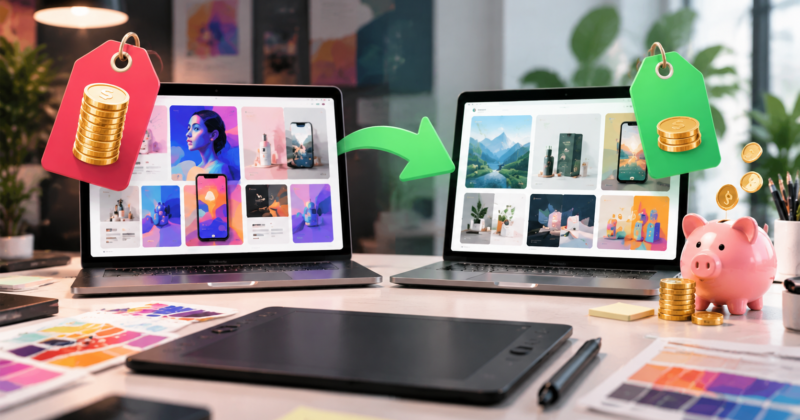
Let’s compare what a typical early-stage startup might spend on design in a year.
| Option | Typical annual cost (US) | Time to first design |
|---|---|---|
| Full-time senior designer | $80,000–$130,000+ salary, plus benefits | 1–3 months |
| Design agency (4–6 projects) | $20,000–$100,000+ | 2–6 weeks per project |
| Marketplace freelancers | Unpredictable (and so are they) | Days to “they stopped replying” |
| DesignSlave subscription | $6,000 | About 24 hours |
Numbers vary by city and seniority, of course, and an in-house designer gives you things a subscription doesn’t, like someone in every standup. But for most startups under about 30 people, the workload is spiky. You need a ton of design during a launch or fundraise, then very little for a few weeks. Paying a full salary through the quiet months is like renting a moving truck all year because you move once.
Why it works so well for startups
1. Speed beats perfection (but you can have both)
Startups live and die by iteration speed. When your designer can turn around a new landing page section in a day, you can test a new positioning on Monday and have data by Friday. Agencies are great at many things. Being fast is rarely one of them.
2. Your brand stays consistent
Every time you hire a new freelancer, you re-explain your brand from scratch, and you get a slightly different interpretation of it. With a subscription, the same designer learns your colors, your voice and your strange affection for rounded corners. Two weeks in, briefs get shorter and results get better.
3. Pause when you’re not busy
This one is underrated. Shipping a big release? Use your subscription hard. Heads-down building for a month? Pause it and keep the remaining days for later. Try telling a full-time employee to pause for three weeks. (Don’t. It’s illegal-ish and definitely rude.)
4. No management overhead
You don’t need to write job descriptions, run interviews, set up payroll, buy a laptop or schedule performance reviews. You need to write “make me a pitch deck slide for our Q3 numbers” in a request board.
What can you actually request?
Pretty much anything that lives on a screen or a box:
- Logos and full brand identities
- Websites and landing pages, designed in Figma or built in Webflow or Framer
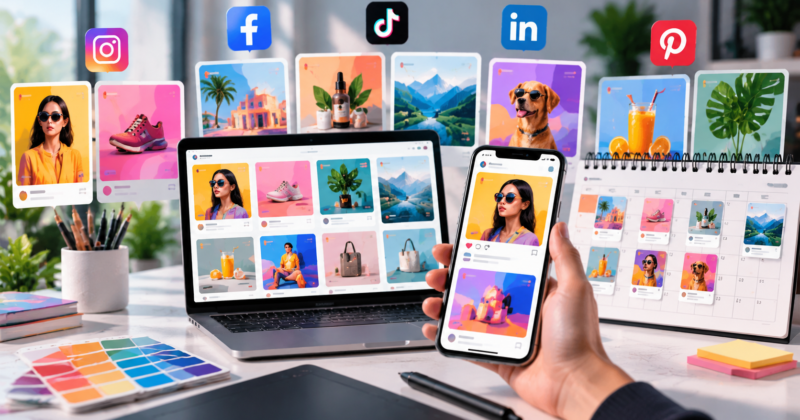
- Social media graphics and ad creatives
- Investor pitch decks
- Packaging, labels and merch
- Email templates, mockups, icons, illustrations and one-pagers
What’s usually not included: long-form video, 3D animation and complex app development. A good subscription designer will tell you upfront if something’s out of their lane.
The honest downsides
I’d be a terrible design slave if I pretended this model is perfect for everyone.
- One request at a time. Unlimited requests doesn’t mean unlimited parallel work. If you need 20 things finished by tomorrow, you need a team, not a subscription.
- Not embedded in your team. I won’t be in your Monday standup. (I’ll be asleep. Or designing. Probably both.)
- Not deep product UX research. If you need user interviews and usability testing for a complex app, a dedicated product designer is a better fit.
If those are dealbreakers, hire in-house. I wrote a full comparison if you want to run the numbers.
How to get the most out of a design subscription
- Front-load your queue. Add five requests on day one so there’s never idle time.
- Be specific. “Make it pop” is a vibe, not a brief. Links to examples you like go a long way. Here’s how to write a design brief that gets it right the first time.
- Give feedback fast. Turnaround is a two-way street. The faster you reply, the faster you get the next version.
- Use it for small stuff too. Social posts, email headers and event badges add up. Hand them all off.
The bottom line
For most startups, design isn’t a one-time project. It’s a constant drip of landing pages, social posts, decks and brand updates. An unlimited design subscription matches that reality: flat cost, fast turnaround, and the ability to scale up or pause on your schedule.
And at $500 a month, it costs less than your team’s monthly snack budget. (I’ve seen your snack budget. It’s impressive.)
Ready to try it? Lock in your spot. There are only a couple left, and my sleep schedule depends on keeping it that way.
Frequently asked questions
Is an unlimited design subscription worth it for a startup?
Usually, yes, if you need design work every week. A flat monthly fee covers your website, social graphics, decks and brand assets for less than the cost of a single agency project, and you can pause when things slow down.
What's the catch with unlimited design?
Requests are worked on one at a time in a queue, so 'unlimited' means unlimited requests and revisions, not unlimited simultaneous output. For most startups, a steady 24–48 hour cadence is plenty.
When should a startup hire a full-time designer instead?
When design is core to your product and you need someone embedded in your team full-time, typically after you have a dedicated product org and a steady all-day design workload.